
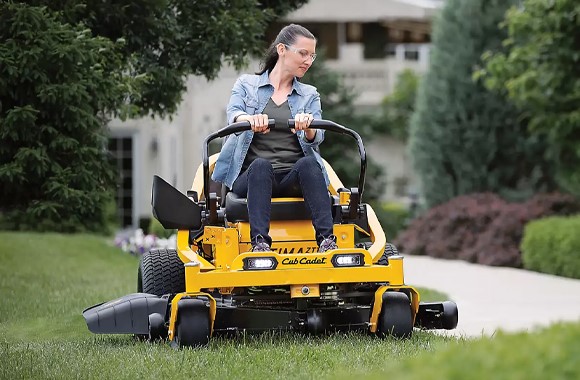
Zero turn mower financing helps you spread the cost of a big purchase so you can enjoy faster mowing and cleaner cuts without draining your savings. But zero turn mower financing can either be a smart money move or an expensive trap, depending on interest rates, fees, and how you plan to use the mower.
For homeowners, the best zero turn mower financing often comes from promotional 0% dealer offers that you can repay within the promo period, or from a low-rate credit union loan. For lawn care and landscaping businesses, equipment financing and business loans may offer tax advantages, protect cash flow, and help you grow faster—if the monthly payment is backed by real revenue from mowing jobs.
In this guide, you’ll learn:
- How zero turn mower financing actually works behind the scenes
- Which financing options typically cost the least in the long run
- Common traps like deferred interest, high store card APRs, and surprises in lease contracts
- Step-by-step actions to pick the right financing plan for your situation
By the end, you’ll know how to approach zero turn mower financing like a calm, spreadsheet-wielding pro—not a stressed-out shopper pushed into a payment you’ll regret later.
Context: Why Zero Turn Mower Financing Matters
Zero turn mowers are game changers. They cut mowing time dramatically, handle tight turns, and leave your lawn looking like a golf course instead of a patchy field. The problem? They’re not cheap.
A residential zero turn mower can easily cost $3,000–$6,000, while commercial units can climb well over $10,000–$15,000. Most families and small lawn care businesses don’t have that much spare cash lying around. That’s where zero turn mower financing becomes a central part of the decision.
When you walk into a dealership, big-box retailer, or an outdoor power equipment store, you’ll see price tags and you’ll hear phrases like:
- “Zero down!â€
- “0% APR for 36 months!â€
- “Low monthly payment!â€
It sounds great—until you realize that not all zero turn mower financing is created equal. Small differences in interest rate, term length, or promotional rules can mean the difference between:
- A mower that effectively costs you only a bit more than the sticker price
- And a mower that ends up costing you thousands extra over time
For homeowners, the main question is: “How do I pay for this without wrecking my budget?â€
For landscapers and lawn care businesses, the question shifts to: “Will zero turn mower financing help my business grow profitably, or will it become a monthly payment I struggle to cover in the off-season?â€
Because of those stakes, understanding zero turn mower financing is just as important as choosing the right cutting deck size and engine horsepower.
What Works: Proven Zero Turn Mower Financing Options
There are several solid paths you can take for zero turn mower financing. The best one depends on your credit, your cash reserves, and whether the mower is for home or business.
Cash vs. Financing vs. Leasing
Before diving into different lenders, it helps to compare your big-picture choices:
- Pay cash
- Finance (take a loan / payment plan)
- Lease the mower
Paying cash
If you have enough savings and paying cash won’t wreck your emergency fund, buying the mower outright means:
- No interest
- No monthly payment hanging over you
- Simple ownership—do what you want with the machine
The downside? Cash is gone. If your car breaks, AC dies, or a slow season hits your lawn business, you might wish you had that cash instead of a shiny mower in the garage.
Financing with a loan or payment plan
This is the heart of zero turn mower financing: you borrow money and repay it over time. You’ll either pay interest or take advantage of promo offers like 0% APR.
You keep more cash on hand, but you commit to a monthly payment. That payment must fit comfortably into your budget or your business’s cash flow.
Leasing
Some dealers and equipment lenders offer leases. You make monthly payments to use the mower, often with options at the end to:
- Buy it for a preset price
- Trade up to a newer model
- Walk away
Leasing can make sense for businesses that need newer equipment, want predictable costs, and can use the lease structure for tax purposes. For homeowners, leases on zero turn mowers are less common and usually less appealing—ownership is often more straightforward.
Manufacturer & Dealer Financing
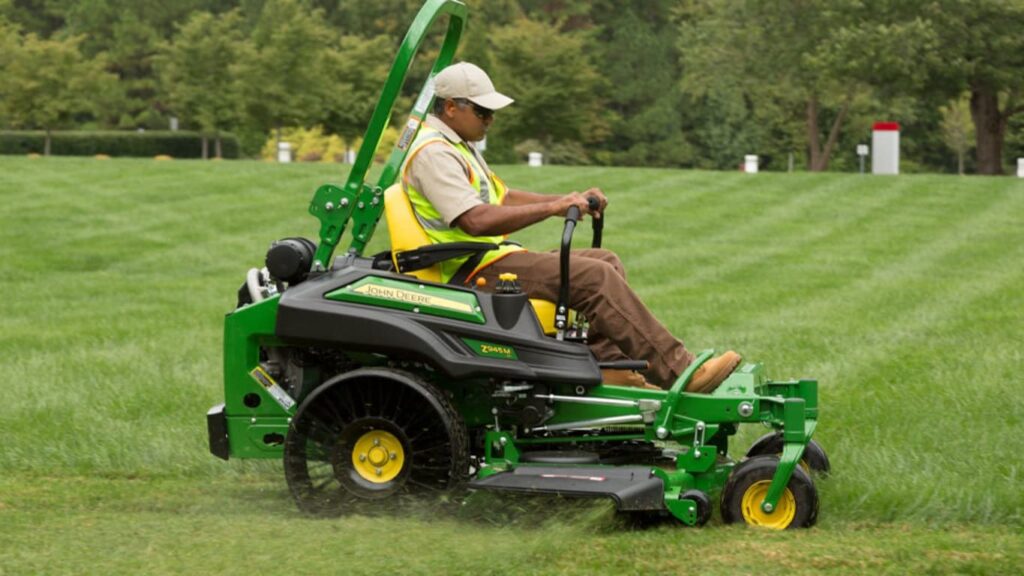
Many well-known mower brands offer zero turn mower financing through manufacturer-backed promotions and dealer partnerships. Brands like John Deere, Kubota, and Toro often run special offers in peak mowing season.
What you might see:
- 0% APR for 24, 36, or even 48 months
- Low APR (e.g., 2.9%–5.9%) for longer terms
- “No payments for 90 days†or “No interest if paid in full within 12 monthsâ€
Why this can be great:
- These offers can be some of the cheapest real-world ways to do zero turn mower financing.
- Approval process is usually quick at the dealer.
- The finance program is designed specifically for equipment buyers.
But watch for:
- Deferred interest: “No interest if paid in full†often means interest is secretly accruing. If you don’t pay the whole balance by the deadline, you may owe all that back interest from day one.
- High regular APR after the promo ends.
- Extra fees or add-ons slipped into the contract (extended warranties, insurance, etc.) that increase your cost.
If you choose dealer or manufacturer plans for zero turn mower financing, read the fine print slowly, ask the salesperson to print the full terms, and calculate what happens if you don’t pay it off early.
Bank Loans, Credit Unions, and Personal Loans
For many homeowners, the best zero turn mower financing comes not from the dealer, but from your local bank or credit union.
Options include:
- Personal loan for the amount of the mower
- Small secured loan (sometimes against a savings account or vehicle)
- Line of credit you use to purchase the mower
Pros:
- You can compare multiple offers and choose the best rate.
- Credit unions especially often have reasonable rates and simpler terms.
- You go to the dealer as a “cash buyer†with your loan pre-approved. That gives you more negotiation power on the mower’s price.
Cons:
- You may need good to excellent credit to get the best rates.
- Some lenders might not classify a mower as “essential,†so approvals can be stricter.
- You handle more of the paperwork yourself.
Still, if you can secure a low, fixed APR, this type of zero turn mower financing can beat a lot of store cards and promo plans in real cost.
Business Equipment Financing for Landscapers
If you run a lawn care or landscaping business, business-focused zero turn mower financing can be more powerful than personal loans.
Common options:
- Equipment finance companies specializing in mowers, trailers, and other gear
- Business term loans from banks or online lenders
- Business lines of credit
Why this can work well:
- Payments can be structured to match your cash flow.
- You may be able to deduct interest or lease payments as business expenses (talk to a tax professional).
- The mower is treated as a revenue-generating asset, not just a consumer purchase.
A simple test for business owners:
Can this mower reliably generate more profit per month than the monthly payment?
If yes, zero turn mower financing becomes a growth tool, not a burden. If no, you might be taking on risky debt.
Store Credit Cards & Buy Now, Pay Later (BNPL)
Big-box stores often pitch their own credit cards and Buy Now, Pay Later options as a form of zero turn mower financing.
Pros:
- Instant approval decisions.
- Promotional discounts or deferred interest offers.
- Easy integration at checkout.
Cons:
- Store card APRs are often very high once promos end.
- BNPL plans can encourage you to take on multiple small debts that add up.
- It’s easy to lose track of due dates, leading to late fees and interest.
For many people, store cards and BNPL should be “backup†options—only used if dealer/manufacturer offers and traditional loans don’t work out, and only if you’re disciplined about repaying on time.
Trade-offs: The Real Costs of Zero Turn Mower Financing
Every zero turn mower financing decision involves trade-offs. If a deal looks perfect, look again. There’s always a cost somewhere—interest, opportunity cost, risk, or complexity.
Interest Rates, Fees, and Hidden Costs
The most obvious trade-off is interest. A 0% APR deal may actually cost less than a low-rate personal loan—but only if you follow the rules.
When comparing zero turn mower financing offers, look at:
- APR (Annual Percentage Rate) – the total cost of borrowing per year.
- Term length – shorter terms mean higher payments but lower total interest.
- Upfront fees – loan origination, documentation, or “dealer fees.â€
- Prepayment penalties – charges for paying off the loan early.
A slightly higher APR with no fees and no prepayment penalty can actually be cheaper if you plan to pay extra each month.
Credit Score Impact & Approval Odds
Your credit score influences whether zero turn mower financing is painless or painful.
- Excellent credit (740+): You may qualify for the best promo offers and the lowest bank/credit union rates.
- Fair credit (around 620–680): You might still be approved, but at higher rates or with stricter terms.
- Low or bad credit: You may face very high APRs, require a co-signer, or be pushed toward subprime lenders with harsh terms.
Good news:
- Financing and consistently paying on time can help you build or rebuild credit.
- Applying for too many loans or missing payments can damage your score.
Be honest with yourself: if your credit is rough and the zero turn mower financing offer involves sky-high interest, you may be better off saving longer or buying a cheaper, used mower for cash.
New vs. Used Mowers and Depreciation
Financing a brand-new mower has a hidden cost: depreciation. Just like cars, zero turn mowers lose value over time.
If you do zero turn mower financing on a new unit with a long term (say 60–72 months), there may be a period where:
- You still owe more than the mower is worth
- Selling it wouldn’t fully cover the loan balance
For businesses, that might be acceptable if the mower is making you money. For homeowners, it can feel like a burden if you ever need to sell.
Used mowers, bought with cash or a small loan, may offer better value—but check maintenance history, engine hours, and repair costs.
Cash Flow, Tax Considerations, and Risk
For homeowners, the main risk of zero turn mower financing is that the payment strains your monthly budget. For businesses, the main risk is cash flow volatility.
Ask yourself:
- What happens if my income drops for a few months?
- Do I have savings to cover payments if needed?
- If I use a business loan or equipment financing, how will this affect my tax situation?
For businesses, lease and loan structures can have different tax treatments. Interest and depreciation may both matter. It’s worth asking a CPA how your zero turn mower financing choice affects your overall tax strategy.
Next Steps: How to Choose the Right Financing Plan
Now that you know the landscape, how do you actually pick the best zero turn mower financing option for you?
Step-by-Step Checklist
Use this checklist to move from “confused†to “confidentâ€:
- Clarify your use case
- Homeowner: Mainly personal use, maybe occasional neighbor yard.
- Business: Daily revenue-generating work.
- Set a realistic budget
- Decide on a maximum monthly payment that won’t cause stress.
- Multiply that payment by 36 or 48 months to get a rough total you can afford.
- Price out several mower models
- Look at new and used options within your budget.
- Remember that a slightly smaller deck or fewer bells and whistles can dramatically lower the price—and your zero turn mower financing needs.
- Check your credit
- Pull your credit report and approximate score.
- This prepares you for realistic offers from lenders.
- Gather 3–4 financing quotes
- Dealer/manufacturer promo financing
- Personal loan from a bank or credit union
- (For businesses) Equipment financing or business loan
- (If needed) Store card or BNPL as last-resort comparison
- Calculate total cost
For each zero turn mower financing option, calculate:- Monthly payment
- Total paid over the full term (price + interest + fees)
- Any penalties or giant surprises if you pay off early or miss a promo deadline
- Stress-test your choice
Ask:- Could I still afford this if my income dropped by 20%?
- For businesses: Would this payment still make sense in the slow season?
- Decide and commit
- Pick the option that balances cost, flexibility, and peace of mind.
- Set up automatic payments so you never miss a due date.
Example Scenarios (Homeowner vs. Business)
Scenario 1: Homeowner “Saraâ€
Sara wants a $4,000 residential zero turn mower. She has decent credit and a small emergency fund.
She compares:
- Dealer promo: 0% APR for 36 months → ~$111/month, must pay on time each month, and pay off within 36 months.
- Credit union personal loan: 6.5% APR for 48 months → ~$95/month, total interest ~$300–$400.
She chooses zero turn mower financing with the dealer promo, sets automatic payments, and plans to pay a little extra each month. Her goal: pay off in 30 months and avoid all interest.
Scenario 2: Lawn Care Business Owner “Mikeâ€
Mike runs a small lawn care business and wants a $10,000 commercial zero turn mower that could increase his route capacity.
He compares:
- Personal loan in his name: 10% APR, 60 months → ~$212/month.
- Equipment financing in his business name: 8% APR, 48 months → ~$244/month, with potential tax advantages.
He calculates that the new mower will allow him to add $800–$1,200/month in new jobs during peak season. Even with slow seasons, the payment looks manageable.
Mike chooses business equipment financing for his zero turn mower financing, works with his accountant on tax treatment, and focuses on marketing to fill his new capacity.
Negotiation Tips with Dealers and Lenders
A few practical negotiation tips that can save you money on zero turn mower financing:
- Separate the mower price from the financing
First, negotiate the lowest possible price for the mower. Only after that’s settled should you talk about financing. - Ask for all-in monthly payment
Request a clear breakdown: mower price, taxes, fees, warranty, and interest. If the monthly payment feels high, ask which parts can be removed or discounted. - Get quotes in writing
Whether from a dealer, bank, or equipment lender, ask them to email or print the full offer. Sleep on it and compare calmly. - Question add-ons
Some add-ons (like genuine extended warranties) might be valuable. Others are pure profit. Ask: “Is this required?†and “What if I say no?†- Stay willing to walk away
If a zero turn mower financing offer feels confusing, rushed, or too expensive, walk away. There will always be another mower and another deal.
Your Next Move Toward Zero Turn Mower Financing
You don’t need to be a finance expert to make a smart decision about zero turn mower financing. You just need a clear plan and the courage to slow the conversation down when a salesperson tries to speed it up.
Here’s what you can do today:
- Write down your ideal mower budget and monthly payment limit.
- Check your credit score so you know what kinds of offers are realistic.
- Contact one local bank or credit union and ask what personal or equipment loan options they offer for a mower purchase.
- Visit one dealer or store to see their best promo financing offer. Get it in writing.
- Compare total cost and monthly impact before committing to anything.
Whether you’re a homeowner who’s tired of spending every Saturday behind a push mower, or a lawn care pro ready to level up your business, the right zero turn mower financing can turn this purchase from a stressful expense into a strategic investment in your time, comfort, and income.
Run the numbers, ask questions, and choose the path that supports your life—not just the dealer’s sales goals.
Q1: Is 0% zero turn mower financing always the best deal?
Not always. If the 0% offer includes sneaky deferred interest rules or a much higher starting mower price, another zero turn mower financing option with a small interest rate and clear terms might cost you less overall.
Q2: Can I finance a used zero turn mower?
Yes, but not all lenders like used equipment. Some banks and credit unions allow it, and some dealers offer used inventory financing. Compare the interest rate and make sure the used mower’s condition justifies any zero turn mower financing you take on.
Q3: How long should I finance a zero turn mower for?
A good rule of thumb: don’t stretch zero turn mower financing longer than the realistic useful life of the mower. For many buyers, 36–60 months is the sweet spot—long enough for an affordable payment, but not so long that you’re still paying on a worn-out machine.



No comment